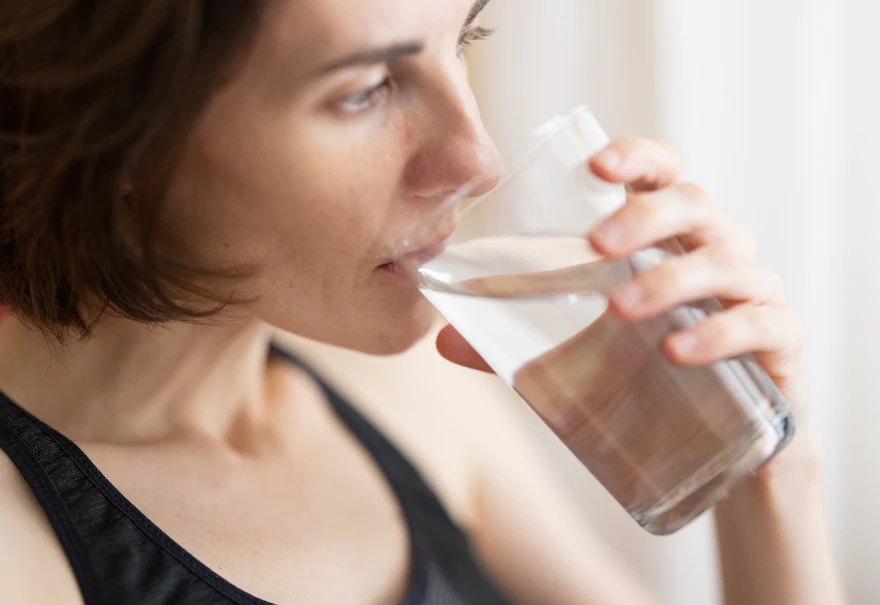
Water is easy to overlook, yet it plays a role in almost everything your body does. It helps regulate temperature, cushions joints, supports digestion, carries nutrients and keeps your brain sharp. In warm, sunny climates especially, staying well hydrated is one of the simplest ways to protect your health.
What water does for you
- Keeps you cool by helping your body release heat through sweat.
- Supports energy and focus, since even mild dehydration can cause fatigue and fogginess.
- Aids digestion and helps prevent constipation.
- Protects joints and muscles by keeping tissues lubricated.
- Helps the kidneys flush out waste effectively.
Signs you may need more water
Thirst is an obvious clue, but others include dark yellow urine, dry mouth, headaches, dizziness and tiredness. Older adults may not always feel thirsty, so regular sipping matters even when you don't feel the need.
Don't wait until you're thirsty. A steady habit of sipping water keeps your whole body running smoothly.
Easy ways to drink more
Carry a reusable water bottle and refill it often. Start each morning with a glass of water, and have another with every meal. If plain water feels boring, add slices of lemon, cucumber, berries or mint for natural flavor.
Eat your water, too
Many fruits and vegetables are naturally high in water, including watermelon, oranges, strawberries, cucumber, lettuce and celery. Including them in meals and snacks boosts hydration and nutrition at the same time.
Hydration and activity
Drink before, during and after exercise or time spent outdoors in the heat. For long or intense activity, your care team can advise whether you need to replace electrolytes as well.
This article is for general education only. People with certain heart or kidney conditions may need specific fluid guidance from their doctor.